We live in an era where beauty has become less about being human and more about being marketable. Every scroll on social media, every skincare ad, every “glow-up” video subtly whispers the same message: you’re not enough… but you could be, if you buy this product, follow this diet, or book that appointment. It’s the modern beauty paradox: perfection sells, and imperfection is branded as a problem that needs fixing.
The media didn’t just distort our view of beauty; it built a billion-dollar empire on it. For decades, advertisers and producers have perfected the art of selling insecurities back to us, gift-wrapped in promises of self-improvement. From airbrushed magazine covers in the 2000s to today’s “effortless” Instagram selfies (that took three filters, good lighting, and 47 takes), the beauty industry thrives on the illusion of flawlessness.
The standard has shifted, but the pressure hasn’t. Back then, it was about being thin. Now it’s about being “snatched.” Once it was smooth skin; now it’s ‘glass skin.’ The target keeps moving, but the message stays the same: perfection is the goal, and it’s always one purchase away. The irony? The more “inclusive” beauty campaigns claim to be, the more products they push. Because even self-love, apparently, can be monetised.
The media machine knows exactly what it’s doing. Beauty ads are carefully engineered to trigger comparison. The algorithm doesn’t just show you what’s trending; it shows you what you should look like. It rewards a certain face type, a certain body type, a certain aesthetic, all while pretending to champion “diversity.” In reality, the system profits when we doubt ourselves. That’s why every new trend, whether it’s “clean girl,” “that girl,” or “coquette”, is just another rebranded beauty ideal, polished and packaged for mass consumption.
Think about it. Who benefits when you feel like your natural skin isn’t glowing enough, your body isn’t sculpted enough, or your hair isn’t sleek enough? Not you! But definitely the billion-dollar brands selling you serums, supplements, and shapewear. The beauty industry doesn’t care about your confidence; it cares about your conversion rate. And the media? It’s the perfect accomplice.
But here’s the twist: Gen Z isn’t buying it – literally and metaphorically. We’re the generation that grew up with filters and Facetune, but we also know how fake it all is. We’ve seen the “before” and “after” edits, the influencer confessions, the Photoshopped ads exposed. The curtain’s been pulled back, and what’s left isn’t “beauty,” it’s marketing. The conversation has shifted toward authenticity, acne-positive influencers, body neutrality, gray hair pride. The rise of realness is refreshing, but the pressure to perform authenticity can sometimes feel like another aesthetic in disguise.
So, where does that leave us? Somewhere between wanting to look good and wanting to be okay with how we look, no filters attached. The truth is, beauty is subjective, cultural, and ever-evolving. What’s seen as “perfect” today will be outdated tomorrow. And the only constant in this entire circus is that companies will keep trying to sell us the next version of it.
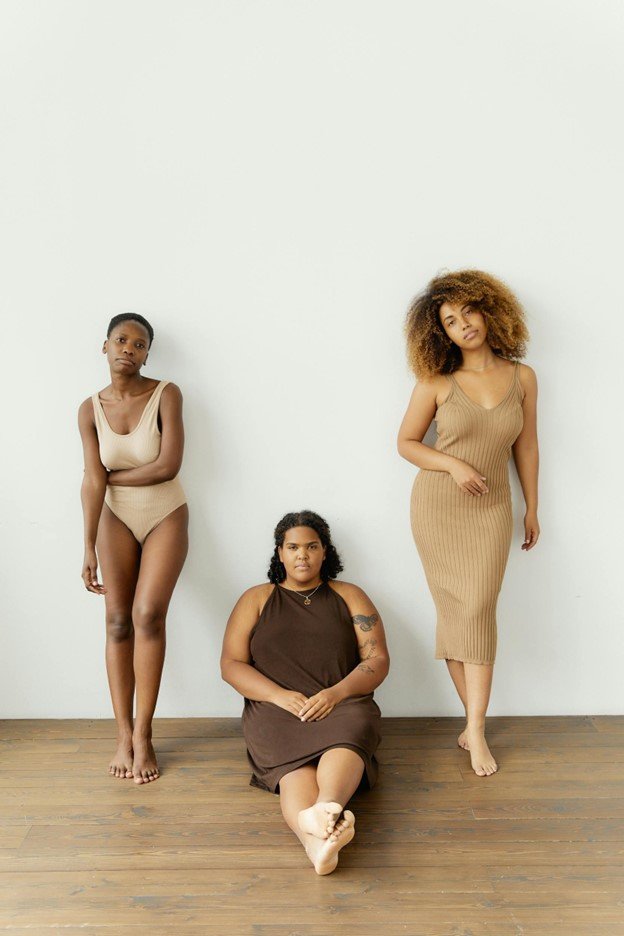
The antidote isn’t rejecting beauty altogether, but redefining it. Beauty doesn’t need to be flawless; it needs to be human. The freckled skin, the stretch marks, the acne scars, they’re not imperfections, they’re proof of life. Imagine if ads showed that. Imagine if the media didn’t just sell confidence, but actually promoted it. Unrealistic beauty standards thrive on comparison; authenticity thrives on acceptance.
Here’s the truth the beauty industry doesn’t want you to internalise: you can appreciate beauty without chasing perfection. You can love makeup without hating your bare face. You can work out without trying to “fix” your body. When you stop seeing beauty as a product and start seeing it as an experience, one that’s deeply personal and impossible to mass-produce, you win.
Perfection is boring. Flaws tell stories. And honestly? The most beautiful thing about you might just be the part you’ve been told to hide.